Why Is Temperature Control Important in Vaping?

Time:2026-10-16 Author:Sophia
0%

Understanding Why temperature control is important in vaping begins with a simple problem: heat changes quickly. A coil can feel gentle one moment and harsh the next. Temperature control technology helps limit that rise by monitoring coil resistance during use. It can reduce overheated vapour, burnt flavours, and dry hits when settings and hardware match correctly. Still, it is not a guarantee of safety.

Temperature control works best with compatible coils, suitable materials, and accurate device settings. Stainless steel, nickel, and titanium behave differently, so users should check the manufacturer’s instructions before choosing a mode. A small mistake, such as selecting the wrong coil material, can make temperature readings unreliable. That detail is easy to miss. Many people also assume a lower temperature removes every vaping risk. It does not.

Practical experience matters here. A user may notice a dry, metallic taste before the device displays an alert. Stopping immediately, checking the liquid level, and inspecting the coil can prevent further problems. Battery condition matters too. Damaged wraps, loose connections, or unapproved modifications should never be ignored. Reliable guidance should come from product manuals, qualified retailers, and public-health sources rather than forum guesses. Vaping is not harmless, and non-users, especially young people and pregnant individuals, should avoid it. Temperature control is one protective feature, not a complete solution. More research is still needed, and settings may behave differently across devices. That uncertainty deserves honesty.
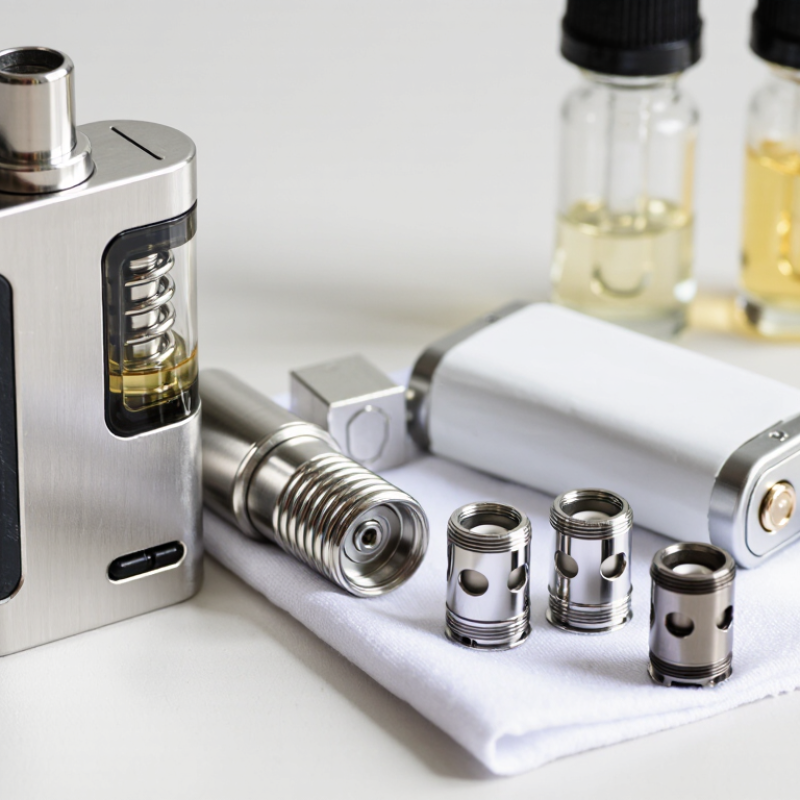
Why Is Temperature Control Important in Vaping?

What Temperature Control Means in Vaping

Temperature control, or TC, in vaping refers to a device regulating coil temperature rather than supplying constant power. The device estimates temperature through changes in the coil’s electrical resistance. When the coil approaches the selected limit, the device reduces power automatically. This can help prevent excessive heating when liquid becomes scarce. It may also reduce burnt flavors and create a more consistent draw.

The difference is noticeable in small details. A dry wick can produce a sharp, unpleasant taste within seconds. TC may respond before that happens. However, it is not perfectly precise. Resistance can change when the coil is loose, dirty, or installed while warm.

Only compatible coil materials should be used with the correct TC setting. Checking the coil connection matters.

Small errors matter.

A reliable setup requires reading the device instructions and confirming the coil type before vaping. Start with a moderate temperature and adjust gradually, rather than choosing an extreme setting. Keep the wick properly saturated, inspect the coil regularly, and stop using the device if it becomes unusually hot. Temperature control does not remove every health concern associated with inhaling aerosol. It only manages one part of device operation. Evidence and safety guidance can also change, so users should consult current public-health information and local regulations.

How Temperature Control Technology Regulates Coil Heat

Why Is Temperature Control Important in Vaping?

Temperature control technology regulates coil heat by monitoring resistance changes. As the coil warms, its resistance rises. The device detects this change and adjusts power automatically. This helps reduce sudden overheating and dry hits, where cotton tastes burnt and harsh.

The 2018 National Academies report reviewed more than 800 studies and found that aerosol emissions change with power, temperature, and user behavior. A 2016 PLOS ONE laboratory study also reported sharply increased carbonyl emissions during dry-puff conditions. These findings explain why stable coil heat matters. Temperature control cannot remove every risk, though. Its accuracy depends on compatible coil materials, correct resistance readings, and clean connections. Small setup mistakes can undermine the system.

Tips: Select the correct coil material setting. Keep the tank adequately filled. Check resistance when the coil is cool. Stop using the device if the taste becomes burnt or unusually hot. Temperature control sounds precise, but it is not perfect. Human judgment still matters.

Why Is Temperature Control Important in Vaping? - How Temperature Control Technology Regulates Coil Heat

Temperature Range Typical Coil Behavior Vapor and Flavor Effect E-Liquid Considerations Temperature-Control Response General Assessment
Below 160°C
(320°F)
The coil may not vaporize e-liquid efficiently, especially when airflow is high or the wick is not fully saturated. Lower vapor production and a cooler draw are common. Flavor may feel muted. Excess liquid can remain on the coil, increasing the chance of flooding or spitting. The device generally allows power to rise only as needed to approach the selected temperature. Cool output
160–200°C
(320–392°F)
The coil commonly produces steady vapor when the wick is adequately saturated. Often provides a smooth draw with moderate vapor density and clear flavor separation. Suitable for many e-liquids, although the result depends on the PG/VG ratio, airflow, and wick design. Power is reduced when resistance indicates that the coil is approaching the set temperature. Balanced range
200–230°C
(392–446°F)
The coil reaches operating temperature quickly and can produce denser vapor. Warmer vapor and stronger flavor are possible, but harshness may increase for some users. Higher heat can consume e-liquid faster and places greater demand on consistent wick saturation. The control circuit continuously adjusts wattage to limit temperature overshoot during the puff. Warm output
230–260°C
(446–500°F)
Heat stress on the coil and wick becomes more significant, particularly during long or repeated puffs. Vapor is hot and dense; flavor may become sharper or less comfortable. Dry-wick conditions are more likely to produce a burnt taste because the coil can heat faster than liquid can replenish it. Temperature control should cut or reduce power when the resistance signal indicates that the set limit is being reached. Use caution
Above 260°C
(500°F)
The risk of overheating increases if the wick is dry, airflow is restricted, or the temperature reading is inaccurate. Very hot vapor and harsh, burnt, or degraded flavors may occur. Overheating can increase thermal stress on e-liquid constituents; avoiding dry hits is an important safety objective. A correctly configured system should restrict power, but protection depends on compatible wire, accurate resistance measurement, and proper settings. High caution
Cold-coil start The initial resistance is measured before the coil heats up. Accurate baseline resistance supports more consistent temperature regulation from puff to puff. Changing the coil, loosening connections, or using a different atomizer can change the resistance baseline. The device compares live resistance with the cold resistance using the wire's temperature coefficient of resistance. Essential step
Resistance-based control Heating wire resistance rises as its temperature increases; the size of the change depends on the alloy. Control accuracy depends on stable electrical connections and a suitable wire material. Resistance readings can be affected by loose posts, poor contact, or a coil that has not cooled to room temperature. Approximate temperature coefficient values are about 0.00620/°C for nickel, 0.00350/°C for titanium, and 0.00092/°C for 316L stainless steel; actual values vary by alloy. Measurement basis
Power modulation The coil receives less electrical power as it approaches the selected temperature. Power modulation can reduce temperature fluctuation and help maintain a more consistent draw. It cannot compensate for an empty tank, a damaged wick, or an incorrectly selected coil profile. The controller repeatedly samples resistance and adjusts wattage during the puff rather than supplying constant power. Core function

Note: Coil temperature is influenced by wire alloy, coil mass, airflow, wattage, puff duration, wick saturation, and electrical contact quality. The temperature ranges shown are practical reference bands rather than universal limits, and the displayed temperature may differ from the coil surface temperature.

How Temperature Affects Vapor, Flavor, and Nicotine Delivery

Why Is Temperature Control Important in Vaping?

How Temperature Affects Vapor, Flavor, and Nicotine Delivery

Temperature control matters because heat changes how e-liquid becomes aerosol. A cooler setting usually produces a softer cloud and preserves delicate flavor notes. Too little heat can feel thin, especially with thicker liquids.

Higher temperatures create denser vapor, but more vapor does not always mean better delivery. Nicotine intake depends on liquid strength, puff length, airflow, and device output. Longer puffs can increase exposure, even when the temperature setting stays unchanged. It is easy to overlook that detail.

In real use, a burnt taste often signals excessive heat or poor liquid contact with the coil. Temperature control may reduce dry hits, yet it cannot make vaping risk-free. Overheating can damage flavor compounds and may increase unwanted thermal by-products, so conservative settings are sensible. Results vary between devices and users. My judgment remains cautious; temperature displays are estimates, not laboratory measurements. Checking device instructions and avoiding damaged hardware supports more reliable use.

Safety Benefits and Limitations of Temperature Control

Why Is Temperature Control Important in Vaping?

Temperature control can reduce overheating during vaping. It monitors coil temperature and adjusts power when the set limit is reached. This may lower the chance of dry hits, burnt material, and unpleasantly harsh vapor. A dry coil often produces a sharp taste and a hot, irritating sensation. Temperature control can also make sessions more consistent as the battery charge changes. However, it is not a safety guarantee.

The feature depends on accurate temperature sensing. The coil must use a compatible material, such as stainless steel, nickel, or titanium. Incorrect settings may cause unstable readings or excessive heating. A damaged coil, loose connection, or poor installation can confuse the device. Read the instructions carefully. Small details matter.

In practical use, a user should inspect the coil and connection before vaping. The screen may show a temperature, but that number is only an estimate. It cannot detect every problem inside the device. Temperature control also does not prevent battery damage, leaking liquid, or unsafe charging. Using the correct charger and replacing worn batteries remains important. I once assumed a stable reading meant everything was safe; that assumption was too simple. Temperature control helps, but careful maintenance still carries the greater responsibility.

Key Factors for Choosing and Using Temperature Control Devices

Why Is Temperature Control Important in Vaping?

Temperature control matters because heating conditions influence aerosol consistency and potential chemical formation. The National Academies’ 2018 report found that e-cigarette aerosol can contain harmful substances, although levels often differ from cigarette smoke. Its findings also explain why heating temperature, liquid composition, and device power require careful attention.

More heat does not mean better performance.

Choose a device with a reliable temperature sensor, clear adjustment controls, and compatibility with its coil material. Stainless steel, nickel, and titanium coils do not behave identically. The device must recognize resistance accurately. A poor connection can create unstable readings. Check the screen before use. Keep the setting moderate, and avoid pushing the device to its maximum limit.

Dry coils are a warning sign. They may produce a harsh taste, less aerosol, and unwanted overheating. Stop when the wick looks dry. Wait.

Industry testing also supports repeatable conditions. CORESTA guidance for vaping-product testing emphasizes controlled power, consistent aerosol collection, and standardized measurements. These practices help laboratories compare emissions more reliably. They do not prove that every device is safe. The 2020 report from the UK Committee on Toxicity similarly noted that exposure depends on product design, user behavior, and operating conditions.

In practical use, I would inspect the coil, confirm the resistance, and begin below the recommended range. That approach feels slower. It is often more sensible. Temperature control reduces guesswork, but it cannot correct damaged hardware, unsuitable liquid, or careless use.

FAQS

What does temperature control mean in vaping?

Temperature control regulates coil heat instead of supplying constant power. It reduces power when the coil nears the selected limit.

How does a device estimate coil temperature?

It estimates heat through changes in the coil’s electrical resistance. The reading is useful, but not perfectly precise.

Can temperature control reduce burnt tastes?

It may reduce dry hits when liquid contact becomes poor. A dry wick can create a sharp taste within seconds.

Does temperature control make vaping risk-free?

No. It manages coil heating only. It does not remove health concerns linked with inhaling aerosol.

Which coil materials support temperature control?

Use only materials compatible with the device’s temperature setting. Common examples include stainless steel, nickel, and titanium.

What problems can cause inaccurate temperature readings?

A loose, dirty, or warm coil can change resistance. Poor installation may also confuse the device.

How should users choose a temperature setting?

Start with a moderate setting and adjust gradually. Extreme settings are unnecessary and may damage flavor compounds.

What other safety checks matter?

Keep the wick saturated and inspect the coil regularly. Stop using the device if it becomes unusually hot.

Does a higher temperature deliver more nicotine?

Not necessarily. Nicotine exposure also depends on liquid strength, puff length, airflow, and device output.

What is an easy mistake to overlook?

A stable screen reading does not prove complete safety. I once treated it as a guarantee; that judgment was too simple.

Conclusion

Temperature control in vaping is a feature that helps regulate how hot a coil becomes during use. Instead of relying only on power settings, the device monitors changes in coil resistance to estimate temperature and adjust power automatically. Why temperature control is important in vaping is that it can create a more consistent experience by helping maintain stable vapor production, flavor, and nicotine delivery. Temperature also affects the warmth, density, smoothness, and taste of vapor, so selecting an appropriate setting can improve comfort and reduce unwanted burnt flavors.

Temperature control may offer safety advantages by limiting excessive heat and reducing the chance of dry or overheated coils, but it is not a complete safety system. Its performance depends on compatible coil materials, accurate settings, proper installation, battery condition, and regular maintenance. Users should choose reliable devices with clear controls, follow operating instructions, and replace damaged components promptly. Understanding these factors allows temperature control to be used more consistently and responsibly.

Sophia

Sophia

Sophia is a dedicated marketing professional with an exceptional depth of knowledge about her company's products and services. With a keen understanding of market trends and customer needs, she crafts insightful blog posts that not only inform but also engage readers, enriching the company’s online......