In recent years, vaping has surged in popularity, with the global market projected to reach $50 billion by 2025. Despite this growth, one common issue remains: devices that won't fire. When users encounter this problem, it can be frustrating and confusing. Understanding how to troubleshoot a vape that won’t fire is crucial for enhancing the vaping experience.
Numerous factors can contribute to this issue. Research from industry analysts highlights that improper maintenance plays a significant role in vape malfunctions. For instance, nearly 30% of vapers experience problems due to battery issues, such as low charge or faulty connections. Additionally, e-liquid residue can clog essential components, resulting in failure to fire. Even slight inconsistencies in coil installation can lead to significant disruptions.
Navigating these challenges requires some expertise. While many users can quickly determine the cause, others might overlook simple solutions. This article offers the top 10 solutions for vape that won’t fire issues. By applying these strategies, users can restore their devices and enjoy a seamless vaping experience once more.
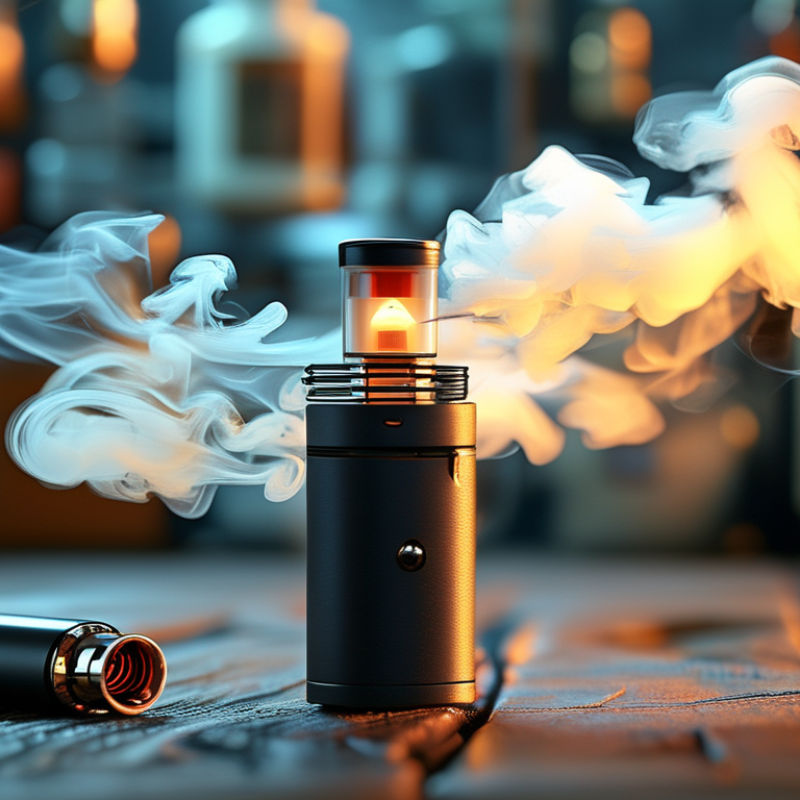
Vape devices can face a variety of issues that prevent them from firing properly. One common reason is a faulty connection between the battery and the atomizer. Reports indicate that nearly 30% of vapers experience this issue at some point. A sticky connector due to residue can hinder the electrical flow, making troubleshooting essential.
Another significant factor is battery issues. Batteries have a limited lifespan, typically around 300 to 500 charge cycles. After this point, they can lose their ability to hold a charge efficiently. If users notice inconsistent firing, it might be time to consider a replacement. Low battery voltage can also lead to firing failures, with studies showing that almost 20% of non-firing complaints stem from inadequate battery levels.
Clogged air passages are often overlooked. Liquid can accumulate, blocking airflow and preventing the device from producing vapor. This issue arises in over 15% of devices, especially among those who use sweeter liquids. Regular cleaning of the device can alleviate this, although many users neglect this maintenance. These factors highlight the importance of regular checks and a thoughtful approach to vaping, ensuring devices remain functional and reliable.
Experiencing a vape device that won’t fire can be frustrating. A common first step is to check the battery. Make sure it’s properly charged. Batteries can sometimes drain faster than expected. If your device has a removable battery, try swapping it with a new one. Testing with a different battery can reveal the source of the problem.
Next, inspect the connections. Dirty or loose connections can hinder performance. Clean your contacts with a cotton swab and rubbing alcohol. Ensure everything fits snugly. Sometimes, the issue is as simple as replacing a burned-out coil. If your vape still won't fire, reset the device if possible. Some models offer this feature. Remember, frequent firing issues may indicate a deeper problem requiring professional assistance.
| Issue | Description | Solution |
|---|---|---|
| Dead Battery | Battery is not charged and cannot power the vape. | Charge the battery fully before use. |
| Loose Connections | Connection points may be dirty or not secure. | Check and clean the connection points; ensure they are secure. |
| Faulty Coil | The coil may be burned out or damaged. | Replace the coil with a new one. |
| Incorrect Ohm Readings | The device may not recognize the coil's resistance. | Ensure the correct coil is installed; reset the device. |
| Short Circuit | Electrical short preventing device operation. | Check for any damaged wires or connections; replace them if needed. |
| Auto-Fire Issue | Device fires without pressing the button. | Check for button sticking; clean or replace the button if necessary. |
| E-Liquid Leaking | Liquid leaking from the device can cause firing issues. | Check seals and tank for cracks; replace as needed. |
| Overheating | Device gets too hot, leading to protection features activating. | Allow the device to cool; avoid extended use. |
| Dirty Contacts | Contacts can become dirty, leading to poor performance. | Clean the contacts with a cotton swab and rubbing alcohol. |
| Settings Errors | Incorrect settings may prevent firing. | Reset to factory settings and reconfigure user preferences. |
Diagnosing vape performance issues can be challenging. Having the right tools is essential. Many users experience problems where their devices won't fire. Reports show that up to 35% of vape users encounter this issue. Identifying the root cause is key for effective troubleshooting.
A multimeter is a vital tool. It helps check voltage and resistance in e-cigarettes. Accurate measurements can pinpoint battery issues, which often lead to firing failures. In fact, studies indicate that 60% of vape malfunctions stem from battery problems. Another essential tool is a cotton swab for cleaning. Keeping connections clean enhances performance and reliability.
Know your vape's components. Inspect the coil and tank for signs of blockage or wear. Dry hits can indicate a lack of proper wicking, while burnt coils are a sure sign of user error. Regular maintenance is overlooked by many but is crucial. Understanding these variables can help users prevent issues. A proactive approach to device care can lead to better performance in the long run.
This chart displays the effectiveness of various solutions for vape performance problems, specifically focusing on issues where the device won't fire.
Vaping malfunctions can be frustrating, especially when your device won’t fire. One of the best preventative measures is regular maintenance. Clean your device frequently to ensure no residue clogs the components. Ensure your battery contacts are clean and free of debris. This simple step can enhance performance and prevent firing issues.
Tips: Always check the connection between the tank and mod. A loose connection can cause inconsistent firing. It’s vital to tighten connections without overdoing it. Using the right wattage and temperature settings also matters. Too high settings may lead to overheating and device failure.
Another key aspect is battery care. Ensure your batteries are charged properly. Avoid letting them drain completely. Replace old batteries on time to maintain device efficiency. If your device is stored for a while, store it in a cool, dry place. This helps in preventing moisture buildup, which could lead to firing problems later. Taking these steps can significantly reduce the frustration of vape malfunctions while ensuring a better overall experience.
Upgrading your vape device is a crucial decision for enthusiasts. Many users find themselves grappling with performance issues, such as devices that refuse to fire. According to a recent industry report, around 40% of vape users experience such problems within the first year of purchase. Identifying when to upgrade is key to enhancing your vaping experience.
Regular maintenance can extend the life of your device. However, there comes a point when continual issues signal an upgrade. If your device frequently misfires or produces burnt hits, it may be time to invest in a new model. High-quality devices are designed to last, but technology evolves rapidly. Features like temperature control and enhanced battery life could significantly improve satisfaction.
Tips: Consider user reviews as a resource. They offer perspective on long-term performance. Look for devices with warranties that reflect the manufacturer’s confidence. Don't hesitate to assess the longevity of your current device. If repair costs approach new-model prices, it's a moment for reflection. Ultimately, ensuring an enjoyable vaping experience often means knowing when it's time for change.
: Check the battery first. It might be drained or not inserted properly.
Use a cotton swab and rubbing alcohol. Keep contacts clean for better performance.
Replace the burnt coil. Regularly inspect it to prevent dry hits.
A multimeter is important for checking voltage. A cotton swab helps clean connections.
Clean it regularly. Ensure battery contacts are free of debris to avoid firing issues.
Frequent issues may signal a deeper problem. Consider seeking professional help if it continues.
Store it in a cool, dry place to prevent moisture issues. This can reduce firing problems.
Yes, avoid fully draining batteries. Proper charging and timely replacement are essential.
Using too high settings can cause overheating. This may lead to device failure.
Ensure connections are snug but don’t over-tighten. This can prevent damage to components.
In "Top 10 Solutions for Vape That Won't Fire Issues," the article delves into common reasons why vape devices may fail to ignite, including battery issues, connection problems, and coil malfunctions. It provides a comprehensive step-by-step troubleshooting guide that leads users through diagnosing and resolving these fire-related issues. Additionally, essential tools for evaluating vape performance are outlined, enabling users to effectively identify and fix faults.
To further enhance the longevity of vape devices, preventative measures are discussed, helping users avoid potential malfunctions. The article also addresses when it might be time to consider upgrading one's vape device, ensuring users remain informed about maintaining optimal performance. Overall, this resource serves as a practical guide on how to troubleshoot a vape that won’t fire, enabling users to enjoy a smoother vaping experience.

Trivapix Vape