Charging a vape battery requires careful attention to safety. Mismanagement can lead to serious risks, including battery damage or even fires. Data from the National Fire Protection Association indicates that lithium-ion batteries, commonly used in vapes, cause thousands of fires annually. Thus, understanding how to safely charge a vape battery is crucial for every user.
Proper charging involves selecting the right charger, ideally one specified by the manufacturer. An incompatible charger can overheat or short-circuit the battery. Users should also be aware of their battery’s health. Regularly inspecting for damage, such as swelling or corrosion, is essential. Discard damaged batteries immediately to avoid hazards.
It’s important to charge in a safe environment, away from flammable materials. Charging should occur on a hard surface, not on bedding or carpets. Additionally, avoid leaving the device charging unattended for long periods. These simple steps can significantly reduce risks and enhance battery longevity. Understanding how to safely charge a vape battery isn’t just about convenience; it’s a critical aspect of responsible usage.
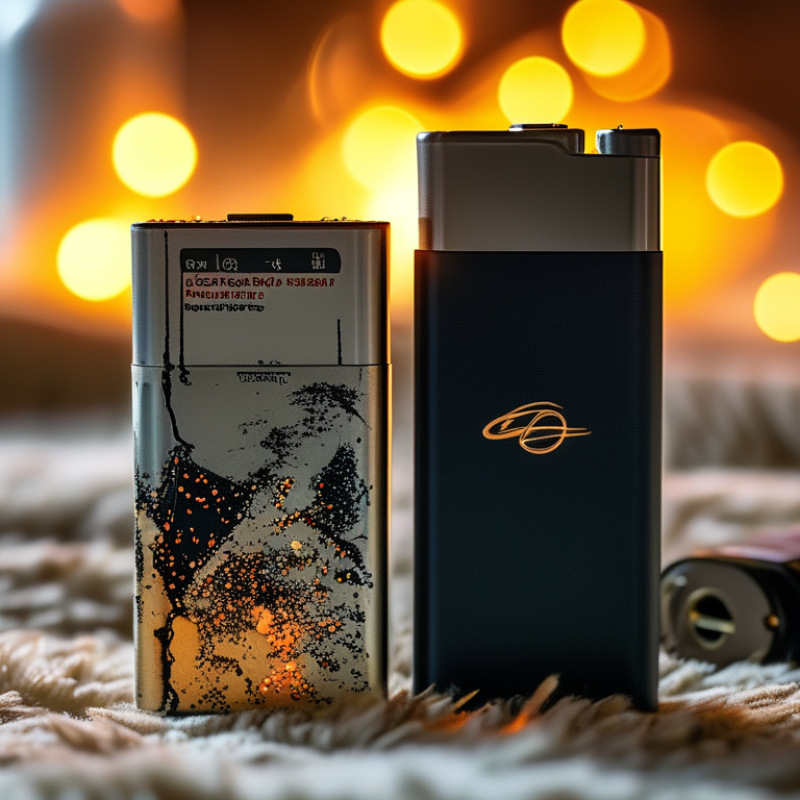
When it comes to vape batteries, understanding their types and specifications is vital. Lithium-ion batteries are the most common. They come in various sizes, like 18650 and 21700. Each type has unique voltages and capacities. This diversity is crucial for performance and safety. According to a report by the Battery University, improperly matched batteries can lead to overheating or even explosions. It’s alarming how often this happens.
Proper specifications prevent risks. A battery’s amp rating must match the device's requirements. For example, a device that demands 20 amps should not use a 10-amp-rated battery. This mismatch can create hazardous conditions. In fact, a study by the Journal of Power Sources indicated that battery failures are often due to user negligence regarding specifications.
Additionally, many users overlook the importance of battery age. Batteries degrade over time, losing both capacity and safety. Research shows that lithium-ion batteries typically last 300-500 charge cycles. Regularly inspecting a battery for physical damage can mitigate risks. Not all users understand these specifics, leading to avoidable accidents. Continuous education on vape battery safety is essential for everyone in the vaping community.
When it comes to charging your vape battery, selecting the right charger is crucial. Not all chargers are created equal. A charger should match your battery specifications to avoid issues. Using an incompatible charger can lead to overheating or reduced battery life. Knowledge about voltage and amperage is essential. Always check the recommended charger specs before plugging in.
Many users overlook the importance of quality. Cheap chargers can pose serious risks. They might not have proper safety features. Investing in a good-quality charger can ensure safe charging. Look for features like short-circuit protection and overcharge protection. This can prevent potential hazards and prolong battery lifespan.
It's not uncommon for users to experience issues with chargers. Sometimes, connections may seem secure but are not. A loose connection can cause sparks or overheating. Regular inspection of the charger and battery is vital. If you notice any damage or wear, it’s better to replace than to risk harm. Safety should always be your top priority when charging any device.
Charging a vape battery safely is crucial for both performance and safety. Improper charging can lead to battery failure or accidents. Data from the National Fire Protection Association highlights that battery-related incidents have increased by 50% over the past few years. Following safe charging practices can help minimize these risks significantly.
Always use a compatible charger designed for your battery. Mismatched equipment can lead to overheating and potential hazards. Avoid charging overnight or while unattended. This is a common practice, but it carries risks. The Battery University states that overcharging can generate excessive heat, which poses a danger. Making it a habit to monitor your device while charging is wise.
Keep your charging area dry and cool. High temperatures can create a volatile environment for batteries. Many users overlook this detail, but it is essential for safety. Batteries should never be exposed to extreme temperatures. Be cautious about using damaged or frayed cables. This can create a short circuit and lead to catastrophic failures. Regularly inspect your equipment to ensure everything is in optimal condition.
When charging a vape battery, monitoring its health is crucial. Reports indicate that improper charging can decrease battery lifespan by up to 30%. Overcharging can lead to overheating, affecting the battery's performance. Temperature fluctuations can also harm battery health. Batteries should be charged within recommended temperature ranges, typically between 20°C and 25°C.
Regularly checking battery performance is essential. Observing charging times can help identify potential issues. If charging takes longer than usual, it might indicate battery wear. Lithium-ion batteries, common in vapes, can experience capacity loss over time. A study indicates that they may lose 20% of their capacity after roughly 500 cycles.
To extend battery life, consider using a battery management system. This can prevent overcharging and monitor temperature. It’s also worth reflecting on charging habits. Charging overnight may seem convenient but can add unnecessary risks. Engage in cautious, active charging practices to ensure longevity and safety.
| Battery Type | Capacity (mAh) | Charge Voltage (V) | Current Charge Rate (A) | Charging Time (hrs) | Health Status |
|---|---|---|---|---|---|
| 18650 Li-ion | 2500 | 4.2 | 1.0 | 2.5 | Good |
| 21700 Li-ion | 4000 | 4.2 | 1.5 | 3.0 | Good |
| 18650 LiPo | 3000 | 4.2 | 1.2 | 2.8 | Fair |
| 14500 Li-ion | 1200 | 4.2 | 0.5 | 2.4 | Poor |
When charging a vape battery, it’s crucial to recognize signs of damage. Look for any visible dents or deformities on the battery casing. These can indicate potential issues that may lead to hazards. An overheated battery is another concern. If it feels hot to the touch, stop charging immediately. Excess heat is a warning sign that something may be wrong.
Tips: Always use the correct charger for your battery. Mismatched chargers can cause significant damage. Regularly inspect your battery for leaks or corrosion. A small drop of liquid can indicate a serious problem.
Be wary of swollen batteries. If a battery appears puffed up, discard it. Using a damaged battery can lead to fires or explosions. Know when to replace your batteries. It’s better to be safe than sorry. Trust your instincts; if a battery seems off, don’t ignore it.
: The right charger ensures compatibility. An incompatible charger can cause overheating or reduce battery life.
Good chargers should have short-circuit and overcharge protection. These features can prevent hazards and improve lifespan.
Check for loose connections. A secure connection is crucial. Sparks or overheating can indicate issues.
Stop charging immediately. Excess heat signals a problem. Ignoring it may lead to serious hazards.
Regular inspections are vital. Look for visible damage, leaks, or corrosion. It’s key to ensuring safety.
Watch for swollen batteries or visible dents. These can lead to fires. Safety is more important than cost.
No, always use the correct charger. Mismatched chargers can cause significant damage over time.
This is a serious sign. Liquid can indicate a failing battery. It’s best to discard it immediately.
Use high-quality chargers and inspect batteries regularly. Avoid using damaged batteries at all costs.
No, they vary in quality and specifications. Always check recommended specs before use to ensure safety.
When it comes to understanding how to safely charge a vape battery, it's essential to start by familiarizing yourself with the various types of batteries and their specifications. Different batteries require specific chargers to ensure safe charging practices that minimize risks. Utilizing the correct charger can prevent overheating and potential hazards.
Monitoring battery health during the charging process is crucial. Always check for any signs of battery damage, such as swelling or discoloration, as these may indicate potential risks. By following safe charging practices, choosing the right charger, and being vigilant about battery health, users can significantly reduce the chances of accidents while enjoying their vaping experience.

Trivapix Vape