Vape devices are popular among users seeking alternatives to traditional smoking. However, leaking issues remain a significant concern. According to a report by the vaping industry association, nearly 30% of users encounter leakage problems with their devices. Understanding how to avoid leaking in vape devices is crucial for optimal performance and a satisfying experience.
Leaking can lead to wasted e-liquid and unexpected messes. It often results from improper assembly or a malfunctioning coil. Many users overlook the importance of regular maintenance. A study showed that regular cleaning can reduce leakage rates by up to 40%. This highlights the need for better habits in device care.
Moreover, choosing high-quality products is essential. Low-quality and ill-fitting components frequently contribute to leaks. Users must be aware that their choices directly impact device reliability. Even seemingly minor issues, like poor o-ring seals, can cause significant problems. Addressing these concerns is vital for enhancing user satisfaction and device longevity.
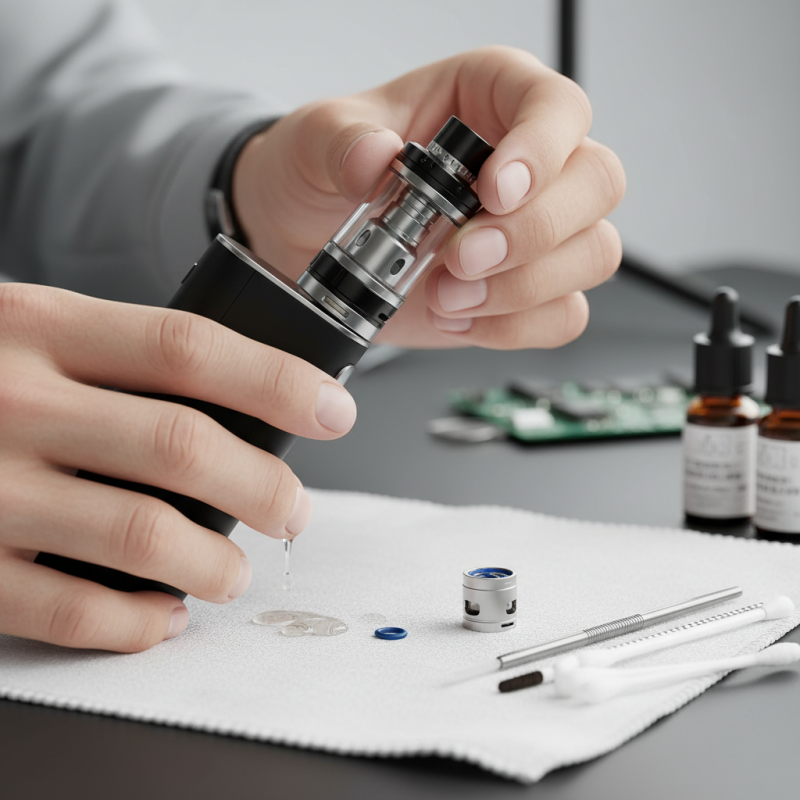
Leaks in vape devices can be frustrating. Understanding the common causes helps prevent these issues. One frequent reason for leaking is overfilling the tank. When liquid exceeds the recommended capacity, it can seep out. This often happens if users are not careful during refills.
Another common cause is a worn or damaged O-ring. O-rings ensure a tight seal between different parts of the device. If they become brittle or break, leaks can occur. Regularly inspecting and replacing O-rings can prevent these pesky leaks.
Tips to avoid leaks include using the right e-liquid. Thicker liquids tend to clog airflow, leading to leaks. Also, avoid shaking the device after filling. Shaking causes air bubbles that can expand and create pressure. Finally, let your device rest after filling. This gives the liquid time to saturate the wick properly.
Choosing the right e-liquid is crucial for a satisfying vaping experience. Studies show that up to 80% of leaking issues in vape devices are linked to the e-liquid used. High VG (vegetable glycerin) liquids are thicker and can lead to leaks if the device isn’t designed for them. Conversely, high PG (propylene glycol) liquids are thinner but may cause dry hits if not properly maintained.
Using e-liquids with inappropriate viscosity can not only cause leaks but also affect flavor. A 2022 market analysis found that 65% of vapers prefer 70/30 VG/PG blends, balancing vapor production and flavor. Selecting e-liquids with too high a VG ratio for your device may cause flooding. Be aware of your device specifications and its compatibility with the liquid you intend to use.
Occasional leakage may also occur due to overfilling the tank. Avoid filling to the brim; leave some space for air. Many users forget this simple rule, which can lead to frustration. Remember, even the best e-liquid can underperform if you don’t pay attention to details in your device setup. This is a common area where improvement is needed for a better vaping experience.
Proper maintenance of vape devices is crucial to prevent leaking issues. Regular cleaning helps ensure that residue does not accumulate in the tank or heating elements. A simple cloth can effectively wipe the exterior. For the internal parts, disassemble the device and rinse the components with warm water. This removes any buildup that may lead to leaks.
Be mindful of the seals and o-rings in your vape device. These small parts play a significant role in preventing leaks. Inspect them frequently for signs of wear or damage. A loose or cracked seal can cause e-liquid to escape. Replacing these components when necessary can save you from messy situations.
Overfilling the tank is a common mistake that can lead to leaking. Pay attention to the fill line and avoid pouring too much. Additionally, when using a new coil, ensure it is primed properly to prevent dry hits, which can sometimes cause leaks. Regularly check the devices for any signs of wear and observe how they function. This will enhance your vaping experience while minimizing unexpected issues.
| Maintenance Task | Recommended Frequency | Purpose |
|---|---|---|
| Clean the tank and components | Every 1-2 weeks | Remove residue and buildup |
| Check O-rings and seals | Monthly | Ensure no leaks from gaps |
| Properly store device upright | Always | Prevent e-liquid from leaking |
| Replace coils | Every 2-4 weeks | Maintain flavor and prevent leaks |
| Check e-liquid levels | Before each use | Avoid dry hits and leaks |
Filling and storing e-liquids properly is crucial to prevent leaks in vape devices. While many users might take this lightly, data indicates that improper handling accounts for nearly 30% of all leaking issues observed in vaping devices. When refilling a tank, ensure the device is upright. Tilted devices can lead to e-liquid escaping through air holes or seals.
Storing e-liquids in a cool, dark place significantly enhances their longevity. Research shows that UV light and heat can degrade e-liquids and increase viscosity, heightening the chance of leaks. Opt for opaque containers for storage to mitigate light exposure.
Using the right filling technique also matters. Many users often overfill their tanks, leading to spillage. It's advisable to fill the tank to around 80% capacity. This practice helps maintain pressure equilibrium and prevents leaks. Consider these tips a way to improve your vaping experience and protect your investment.
Identifying faulty seals and O-rings in vape devices is crucial for preventing leaks. These components ensure a tight seal, allowing vapor to flow while keeping liquid contained. Over time, seals can degrade due to exposure to heat and e-liquid. Regular inspection is essential to catch wear before it becomes a problem.
When examining your vape, check for any visible cracks or deformities in the seals and O-rings. A loose or worn O-ring can lead to leaks, making it imperative to replace them promptly. Using the correct size and type of replacement is essential for a secure fit. Many vapers underestimate the impact of proper maintenance on device functionality.
If your vape starts leaking, do not panic. Analyze the situation calmly. Replacing seals is often a straightforward task but may require a little patience. If unsure about the process, consider seeking help from someone with experience. Remember, maintaining your device is an ongoing process. Regular checks will help you enjoy a better vaping experience.
: The right e-liquid ensures a satisfying vaping experience and helps avoid leaking issues.
Up to 80% of leaks are linked to the e-liquid used, especially viscosity mismatches.
A 70/30 VG/PG blend is preferred by 65% of vapers for balanced flavor and vapor.
Overfilling can push e-liquid out of the tank, causing leaks. Leave space for air.
Regular cleaning and inspection of seals and O-rings help prevent leaks in your device.
Inspect them regularly for wear. Replace any cracked or loose seals to avoid leaks.
Stay calm and check seals. Replacing them can often resolve the issue quickly.
Properly priming helps avoid dry hits, which can sometimes cause leaks.
Filling to the brim without leaving air space and not paying attention to the fill line.
Regular inspections allow you to catch issues early, enhancing overall device performance.
To effectively tackle the issue of leaks in vape devices, it is essential to understand the common causes that lead to this problem. Factors such as improper sealing, incompatible e-liquids, and inadequate maintenance often contribute to leaks. Therefore, learning how to avoid leaking in vape devices involves choosing the right e-liquid that matches your device specifications and performing regular maintenance, including cleaning and replacing worn-out seals and O-rings.
Additionally, implementing best practices for filling and storing e-liquids can prevent spills and leaks. Ensuring that you follow these guidelines not only prolongs the lifespan of your vape device but also enhances the overall vaping experience by minimizing the hassle associated with leaks.

Trivapix Vape